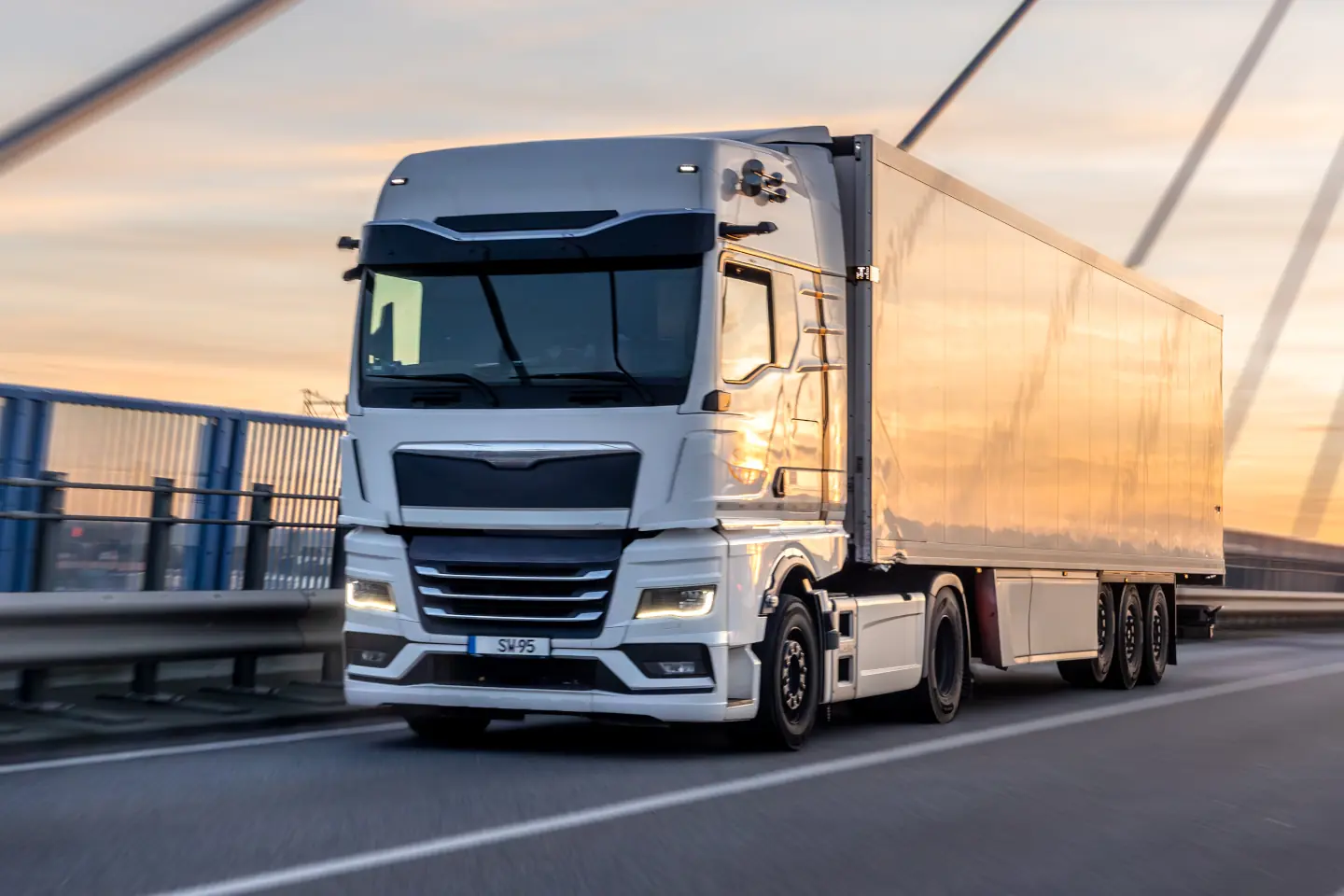
The Complete Guide to Heavy Vehicle Maintenance: Keeping Your Fleet Road-Ready and Compliant
Whether you operate a single truck or manage a large commercial fleet, heavy vehicle maintenance is one of the most critical — and often overlooked — aspects of running a successful transport business.
Neglecting routine servicing doesn’t just risk costly breakdowns. It can result in failed roadworthy inspections, compliance penalties, and most importantly, put lives at risk on Australian roads.
In this guide, we cover everything fleet operators, owner-operators, and transport managers need to know about maintaining heavy vehicles — from routine checks to full compliance inspections.
Why Heavy Vehicle Maintenance Matters
Heavy vehicles operate under extreme conditions. Long distances, heavy loads, and demanding terrain place enormous stress on engines, brakes, suspensions, and tyres. Without regular maintenance, even minor issues can escalate quickly into major — and expensive — mechanical failures.
Here is what is at stake when maintenance is neglected:
- Safety risks — Brake failures, tyre blowouts, and steering faults are among the leading causes of heavy vehicle accidents in Australia
- Compliance penalties — Unroadworthy vehicles can result in heavy fines, defect notices, and vehicles being taken off the road entirely
- Increased repair costs — Small issues left unattended almost always become bigger, more expensive problems
- Lost revenue — Every hour your vehicle is off the road costs your business money
- Licence and accreditation risk — Repeated compliance failures can threaten your operator’s licence and National Heavy Vehicle Accreditation Scheme (NHVAS) status
The Australian Roadworthy and Compliance Framework
In Australia, heavy vehicles are governed by the Heavy Vehicle National Law (HVNL), which sets out strict standards for vehicle safety, maintenance, and operation. Fleet operators and owner-operators have a legal duty to ensure their vehicles are properly maintained and roadworthy at all times.
Key compliance obligations include:
- Maintaining accurate vehicle maintenance records
- Conducting pre-trip inspections before every journey
- Ensuring vehicles meet Australian Design Rules (ADR) standards
- Completing scheduled periodic inspections by a qualified heavy vehicle mechanic
- Keeping vehicles within mass, dimension, and load limits
Staying on top of these obligations is not just good practice — it is a legal requirement.
Essential Heavy Vehicle Maintenance Checklist
A proactive maintenance schedule should cover the following areas regularly:
1. Engine & Fluid Checks
- Engine oil level and condition
- Coolant level and concentration
- Power steering fluid
- Brake fluid
- Transmission and differential fluid levels
- Fuel system inspection for leaks
2. Brakes & Wheels
- Brake pad and lining thickness
- Brake drum and disc condition
- Air brake system pressure and function
- Wheel bearing condition and lubrication
- Tyre tread depth, pressure, and condition
- Wheel nut torque check
3. Suspension & Steering
- Leaf spring and air bag suspension condition
- Shock absorber inspection
- Steering linkage and play check
- King pin and bush wear assessment
4. Electrical & Lighting Systems
- All exterior lights — headlights, indicators, brake lights, reversing lights
- Wiring harness condition
- Battery terminals and charge level
- Instrument panel and warning light function
- Onboard diagnostic system check
5. Trailer & Coupling Systems
- Fifth wheel coupling condition and lubrication
- Drawbar and pin inspection
- Trailer brake connections and function
- Safety chain condition and attachment
- Marker lights and reflectors
6. Cab & Safety Equipment
- Windscreen condition — chips, cracks, visibility
- Wiper blade condition and function
- Seatbelt condition and operation
- Fire extinguisher — present, charged, and accessible
- First aid kit — stocked and in date
- Emergency triangles or warning devices
Scheduled vs. Reactive Maintenance — What is the Difference?
Many operators fall into the trap of only calling a mechanic when something goes wrong. This reactive approach consistently costs more in the long run.
Reactive maintenance means waiting for a breakdown or failure before addressing an issue. It leads to unplanned downtime, emergency callout fees, and the risk of cascading damage to other vehicle components.
Scheduled maintenance means following a proactive, calendar-based or kilometre-based service plan. It allows issues to be identified and resolved early, before they become serious — keeping your vehicles compliant, your drivers safe, and your operations running smoothly.
For fleet operators, a structured maintenance schedule also makes it significantly easier to manage compliance documentation and demonstrate due diligence under the HVNL chain of responsibility provisions.
How Often Should Heavy Vehicles Be Serviced?
Service intervals vary depending on vehicle type, age, application, and manufacturer guidelines. As a general guide:
| Service Type | Recommended Interval |
|---|---|
| Pre-trip inspection | Before every journey |
| Minor service (oils, filters, fluids) | Every 15,000 – 20,000 km |
| Major service (full mechanical check) | Every 40,000 – 60,000 km |
| Brake system inspection | Every 20,000 km or 6 months |
| Full roadworthy inspection | Annually or as required |
| Trailer service | Every 6 months or 50,000 km |
Always refer to your vehicle’s manufacturer service manual and consult a qualified heavy vehicle mechanic for a schedule tailored to your specific operations.
Signs Your Heavy Vehicle Needs Immediate Attention
Do not wait for your next scheduled service if you notice any of the following warning signs:
- Unusual engine noises — knocking, rattling, or excessive exhaust smoke
- Brake performance changes — longer stopping distances, pulling to one side, or spongy pedal feel
- Warning lights — any illuminated dashboard warning that persists after startup
- Fluid leaks — oil, coolant, or brake fluid pooling under the vehicle
- Handling changes — vibration through the steering wheel, pulling, or instability at speed
- Electrical faults — flickering lights, blown fuses, or intermittent power issues
- Unusual smells — burning oil, hot brakes, or electrical burning odour
If any of these symptoms appear, take the vehicle out of service immediately and contact a qualified heavy vehicle mechanic.
The Cost of Skipping Maintenance — A Real-World Perspective
Consider this scenario: a worn brake lining that would cost a few hundred dollars to replace during a scheduled service is left unaddressed. Over the following weeks it deteriorates further, damaging the brake drum. What started as a minor repair now becomes a major component replacement — potentially costing thousands of dollars and days of lost operation.
Multiply that scenario across a fleet of ten vehicles, and the financial impact becomes immediately clear. Scheduled maintenance is not a cost — it is an investment in the long-term reliability and profitability of your business.
Choosing the Right Heavy Vehicle Mechanic
Not all mechanics are qualified to work on heavy vehicles. When selecting a service provider, look for:
- Relevant licences and certifications — ensure technicians hold the appropriate heavy vehicle mechanical qualifications
- Experience with your vehicle type — trucks, buses, trailers, and earthmoving equipment all have specific mechanical requirements
- Mobile and on-site capability — on-site servicing minimises downtime and avoids costly towing
- Transparent pricing — a trustworthy mechanic provides clear quotes with no hidden fees
- Compliance knowledge — your mechanic should understand HVNL obligations and roadworthy standards
- Emergency availability — breakdowns happen at all hours; choose a provider who offers 24/7 support
How Maharaj’s Mechanical Services Keeps Your Fleet Moving
At Maharaj’s Mechanical Services & Transport PTY LTD, we understand that your vehicles are the backbone of your business. Since 2022, we have been providing reliable, professional heavy vehicle maintenance, repairs, and inspections across New South Wales.
Our services include:
- On-Site Repairs & Servicing — we come to your depot, job site, or roadside location
- 24/7 Emergency Breakdown Assistance — fast response when you need it most
- Fleet Maintenance Programs — tailored schedules to keep your entire fleet compliant and operational
- Truck & Trailer Repairs — all makes and models, all configurations
- Earthmoving Equipment Repairs — on-site diagnostics and repairs for your machinery
- Electrical & Diagnostic Services — advanced fault detection and electrical repairs
We are committed to transparent pricing, quality workmanship, and getting your vehicles back on the road with minimal downtime.
Final Thoughts
Heavy vehicle maintenance is not optional — it is a legal obligation, a safety responsibility, and a smart business decision. A proactive approach to servicing and inspections protects your drivers, your vehicles, your revenue, and your reputation.
Whether you manage a large fleet or own a single truck, partnering with a qualified and experienced heavy vehicle mechanic is one of the best investments you can make in your operation.
Ready to book a service or request a free quote? Contact Maharaj’s Mechanical Services & Transport today — we are available 24/7 for all your heavy vehicle repair, maintenance, and inspection needs.
- Phone: 0432 813 916
- Email: maharajsmechanical@gmail.com
- Address: 217 Grange Ave, Marsden Park, NSW 2765